Roundtable Speakers
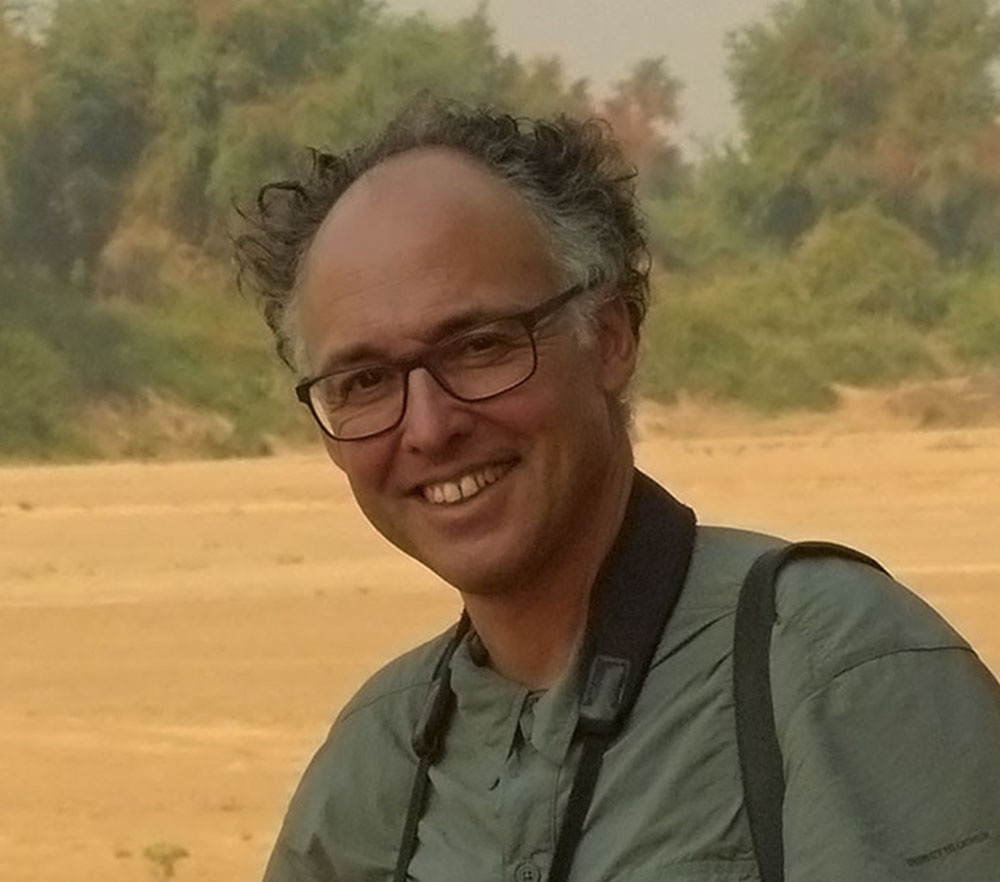
J. David Tàbara
Independent social scientist with over three decades experience in international interdisciplinary research on climate transformations and sustainable development strategies, associated to the Global Climate Forum in Berlin and to the Autonomous University of Barcelona. With over 100 publications, he contributed to the first book on Public Participation in Sustainability Science (Cambridge University Press 2003), to Reframing the Problem of Climate Change From Zero Sum Game to Win-Win Solutions. (Earthscan 2012; co-edited with Nobel Prize Klaus Hasselman), and recently was lead Editor of the book on Positive tipping points towards sustainability (Springer 2024). He has been a member of the Earth Commission Working Group on Transformations, co-authoring the paper ‘A Just World on a Safe Planet’ (The Lancet Planetary Health, 8(10):E813-E873) and was a convener of the International Transformations Conference 2021. At present, his research focuses on regenerative sustainability, net-positive tipping points and transformative strategies to counter climate misinformation as a global systemic risk.
Public links:
ORCID: https://orcid.org/0000-0002-3086-5414
https://www.researchgate.net/profile/J-David-Tabara
Global Climate Forum | https://globalclimateforum.org/portfolio-item/tabara/
Autonomous University of Barcelona
https://portalrecerca.uab.cat/ca/persons/joan-david-tabara-villalba/publications/
Google Scholar: https://scholar.google.com/citations?user=ZlRnESkAAAAJ&hl=ca
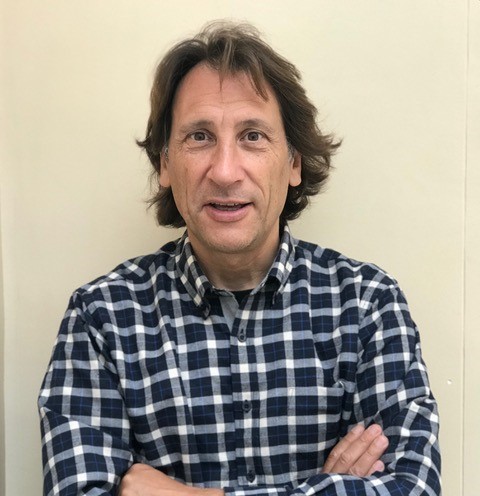
Ismael Rafols
Ismael Rafols is a senior researcher at INGENIO (CSIC-UPV, Univ. Politec. València) and at the UNESCO Chair on Diversity and Inclusion in Global Science at CWTS, Leiden University. He works on S&T evaluation, foresight and research strategies, with a focus on how more epistemic diversity and social inclusion may lead to more equitable distribution of the benefits of science. His recent studies focus on epistemic inequities in funding portfolios and research priority setting for societal challenges such as bird flu or obesity, and issues related to Sustainable Development Goals (SDGs),particularly in health and agriculture.
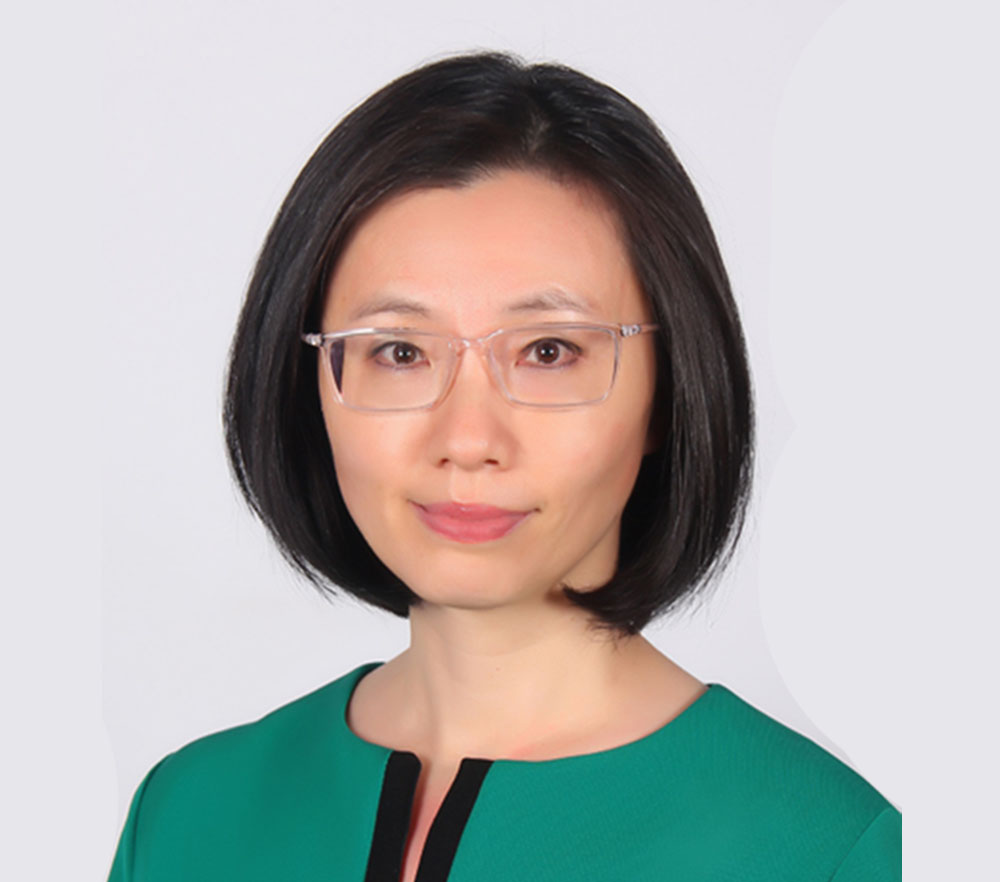
Dr. Nannan Lundin
The Chief Intelligence Officer at the Strategic Intelligence, Sweden’s Innovation Agency (Vinnova). She also works for Vinnova’s Department of International Cooperation, supporting methodology development, dialogue and engagement for collaboration with key countries of strategic importance for Sweden, together with other Swedish research funding agencies. She specializes in policy analysis of system- and mission-oriented transformations, emerging technologies, and their implications for Sweden’s future development of transformative innovation policy and competitiveness. Prior to joining Vinnova, she served as Counsellor for Science and Innovation at the Embassy of Sweden in Beijing and as a senior advisor to Sweden’s former Minister of Strategic Development and Nordic Cooperation at the Prime Minister’s Office. Over the past 15 years, she has worked on bilateral and multilateral high-level policy dialogues and policy development in the fields of science and innovation, as well as environment, climate, and energy in US-China and EU-China cooperation, including analytical work on the globalization of R&D at the OECD Directorate for Science, Technology, and Innovation (STI).
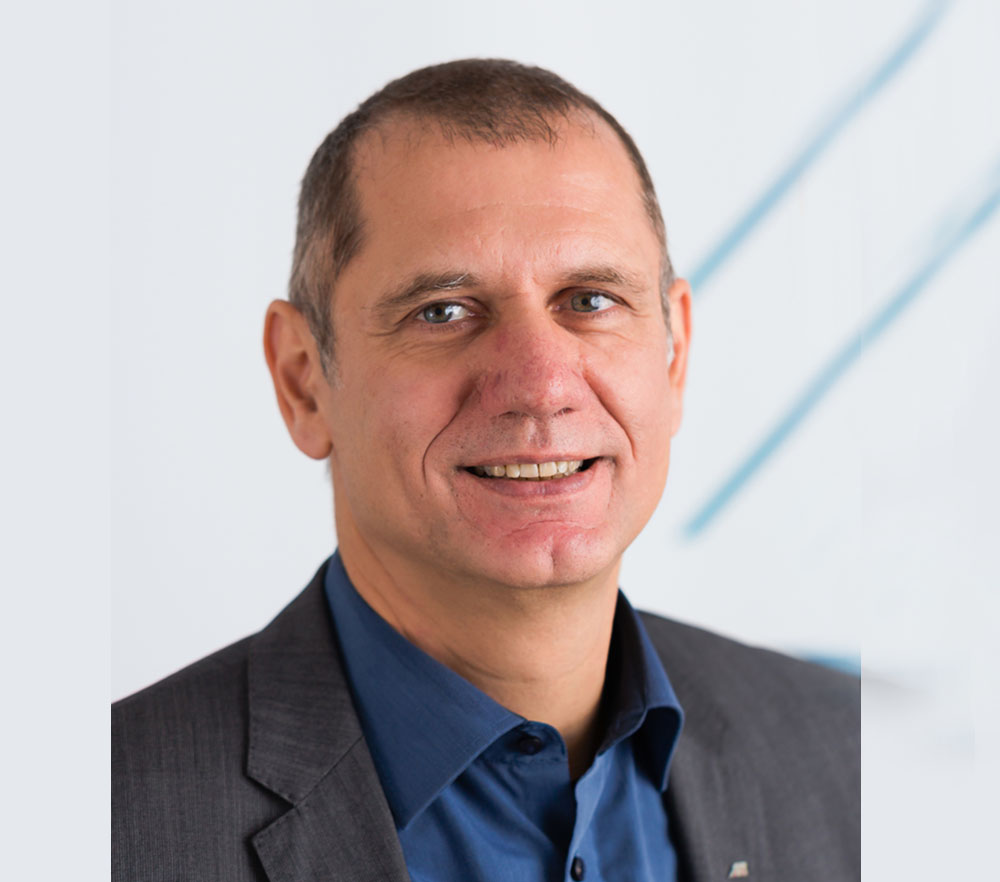
Dr. Matthias Weber
Head of Center for Innovation Systems & Policy at AIT Austrian Institute of Technology in Vienna and Professor of Foresight and Innovation Policy at Université Gustave Eiffel near Paris. Before joining AIT in 2001, he had spent several years at the European Commission’s Joint Research Center in Sevilla and Ispra. He has a background in process engineering, political sciences and economics, and has been working for more than twenty-five years on social, technological and other forms innovation, the transformation of socio-technical and innovation systems, and the forward-looking governance of research and innovation policy. He was member of several expert and advisory groups to the European Commission, the European Council, the OECD and national governments. Since 2019, he has also been Managing Director of the “Foresight on Demand” programme for the European Commission and since 2024 Coordinator of the Austrian Mission Facility. In 2025, he was elected President of the European Forum for the Study of Policies for Research and Innovation (EU-SPRI).
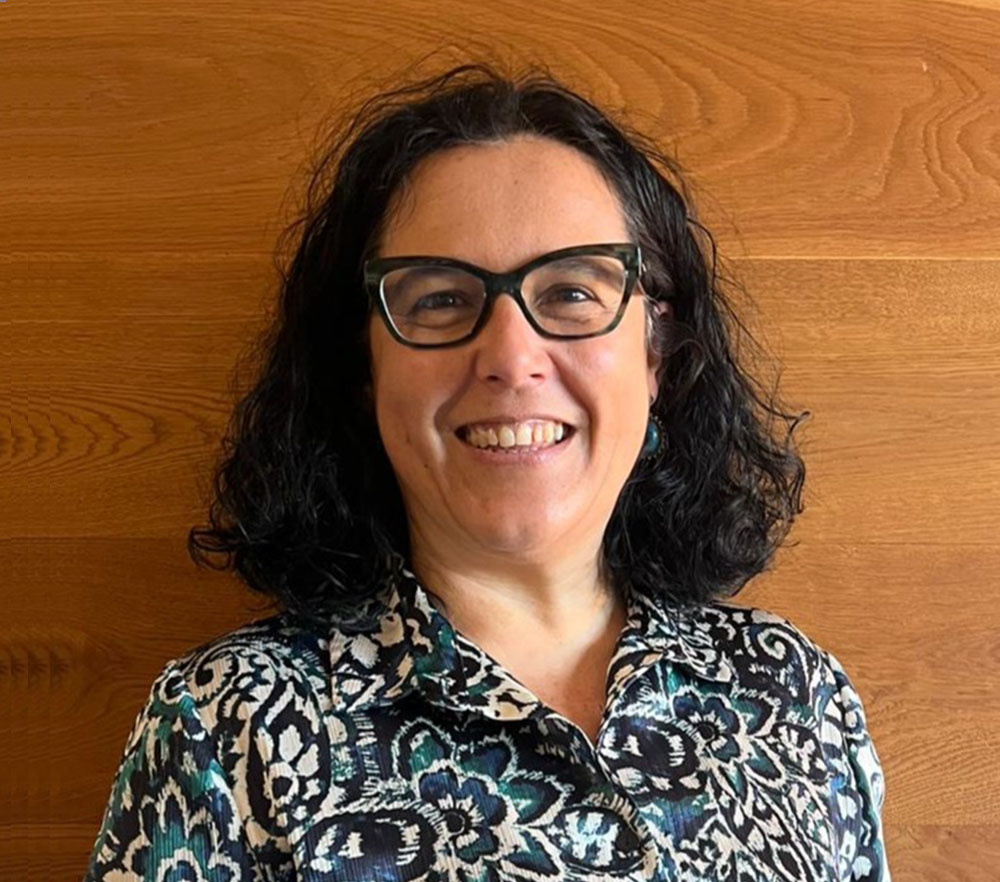
Tatiana Fernández Sirera
Economist with a PhD in European Integration and International Relations. She works on organising and sustaining collective action in response to complex economic, social and environmental place-based challenges.
As Co-Founder of SharedAgendas.org and Global Institutional Lead at Naked Innovations, she supports place-based transformation, working with public institutions, companies and research organisations to connect collective action with directionality, and to link learning from practice to decision-making.
Her background builds on more than 25 years in public administration in Catalonia, including leading regional economic strategy and innovation policy between 2017 and 2025. From within government, she worked directly with departments, public agencies and economic organisations to reorganise policy frameworks around concrete place-based challenges.
This experience led to the co-development of the Shared Agendas approach — grounded in practice and focused on sustaining collaboration among organisations with different roles and responsibilities.
Her work contributes to international discussions on transformative innovation policy, place-based development and governance under complexity, linking practice-based experimentation with conceptual and policy-oriented reflection. She collaborates with European and international policy communities on innovation and regional development, including the European Commission, OECD and UNDP.

Anabel Marín
Research Fellow and Leader of the Business, Markets & State Cluster at the Institute of Development Studies (IDS), and a researcher at CONICET in Argentina (currently on leave). She holds a PhD in Science and Technology Policy from the University of Sussex, a Master’s in Development from the University of General Sarmiento, and a degree in Economics from the University of Córdoba. Since joining IDS in 2021, she has developed a distinctive agenda linking critical minerals, legitimacy, civic power and green industrial policy. Her research challenges narrow framings of the energy transition by showing how mineral extraction is embedded in political contestation, territorial dynamics and shifting geopolitics, including the growing but often implicit role of military and security demand. She co-developed the first global geo-referenced dataset on conflict and cooperation related to mining, now informing several research programmes and policy debates.
A second strand of her work examines innovation systems underpinning mission-critical technologies, including vaccines, biologics and seeds , and the socio-political capabilities required for resilience, scale and inclusive governance. She has led multi-country projects on vaccine innovation (ESRC–JSPS), agrifood and seed systems (EU, IDRC, CIRAD), and food-systems transformation in fragile contexts.
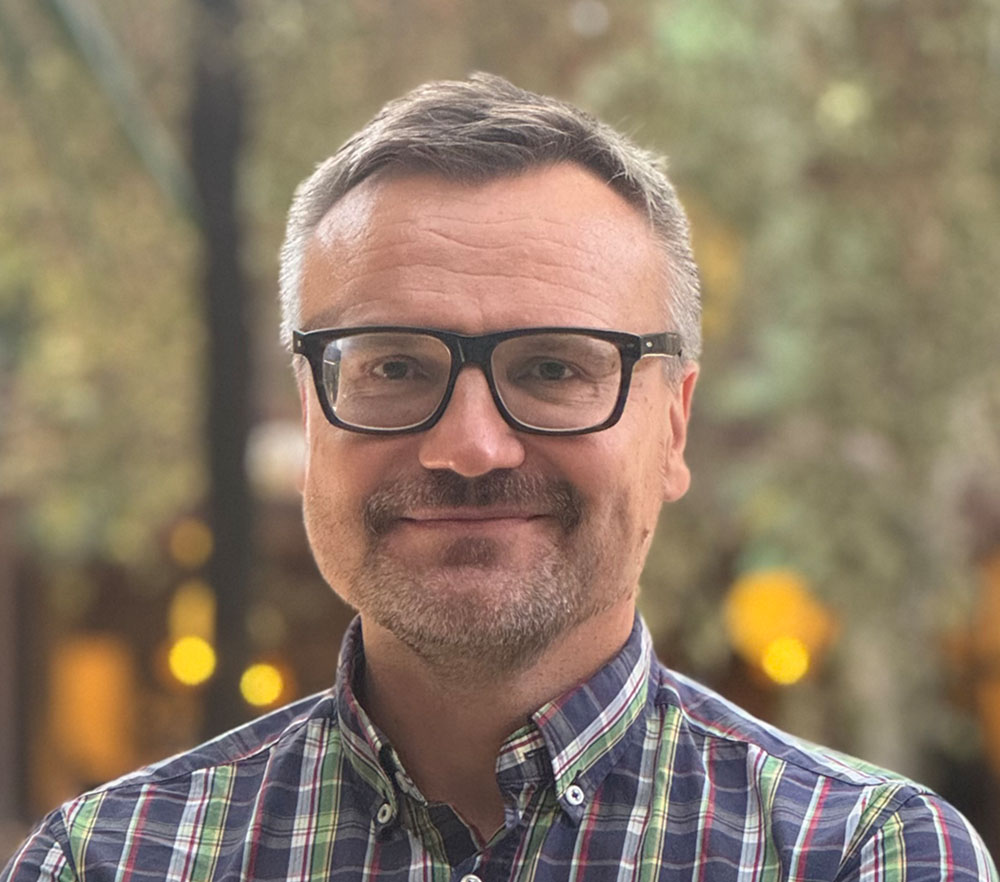
Michal Miedzinski
Policy researcher and Team Leader at the Innovation Policies and Economic Impact Unit of the Joint Research Centre (JRC) of the European Commission. His research and professional reflection focus on the role of public policies and place-based strategies in fostering transformative innovation for sustainable development. At the JRC, Michal conducts policy studies and engages in action research working closely with policy practitioners from across Europe. Through an EU Preparatory Action, he is involved in experimental processes of collaborative design and testing of innovative policy tools, most notably place-based models of regulatory experimentation. He also leads a JRC research project on methodologies and tools for monitoring, evaluation, and learning for challenge-oriented transformative innovation policies. Michal’s professional track record bridges the European public sector, academia, and public policy consultancy. Prior to his tenure at the Commission, Michal was an academic researcher at University College London (Institute for Sustainable Resources and IIPP) and served as the Green Economy Lead at Technopolis Group. He co-founded the European Eco-Innovation Observatory. He has provided research and policy advice to international organisations (UN, World Bank, OECD) as well as to national and regional authorities in Europe and Africa. He holds a PhD in Planning from the University of Manchester.

Philippe Larrue
Policy analyst at the Directorate for Science Technology and Innovation (DSTI). He currently manages several projects in relation to innovation policy to address societal challenges, notably the study into the design and implementation of mission-oriented innovation policies (MOIPs) and a project on the role of research and technology organisations for sustainable transitions. He also regularly leads or contributes to OECD Innovation Policy Reviews (Malaysia, Sweden, Kazakhstan, Norway, Portugal, Kuwait, Korea). He joined OECD in 2011 as internal evaluator. He has led and implemented several evaluations of OECD committees and horizontal initiatives and contributed to revise the organisation’s methodology and process. Prior to joining OECD, he was Director of the French office of Technopolis Group, a leading consulting and evaluation company in the area of research, innovation and economic development policy. After his PhD in economics, Philippe led research positions at the University of Bordeaux, INSEAD Business School (Fontainebleau) and Research Institute of Economy, Trade and Industry (RIETI, Tokyo).